
World Carillon Federation
World Carillon Federation
Discover the Carillon
A unique instrument, a living heritage – tuned bronze bells ringing from towers across the world.
Official definition · WCF
“A carillon is a musical instrument composed of tuned bronze bells which are played from a baton keyboard.”
Only those carillons having at least 23 bells will be taken into consideration. Instruments built before 1940 and composed of between 15 and 22 bells may be designated as ‘historical carillons’.
What is a carillon?
One instrument, one tower, one city
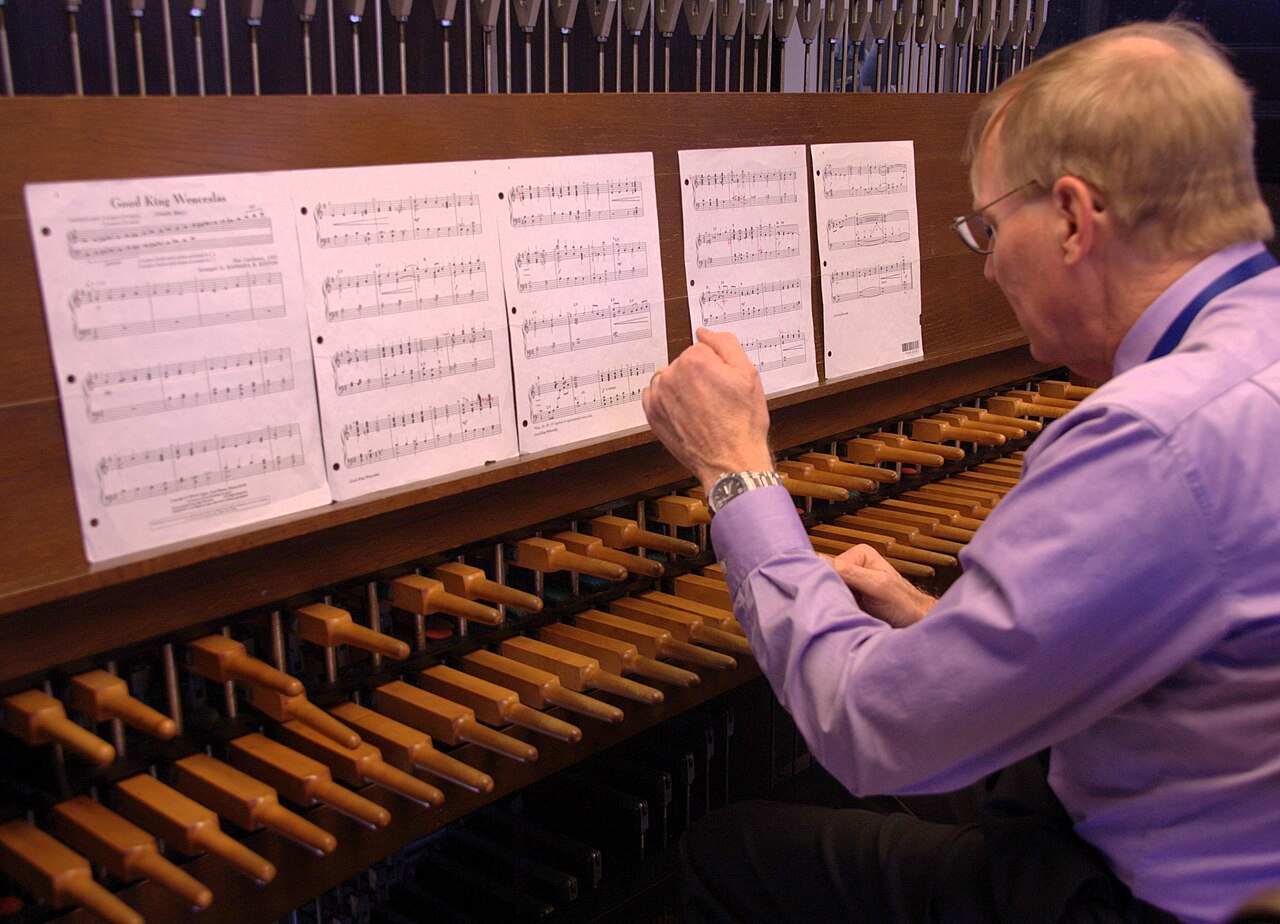
The carillon is a musical instrument made of tuned bronze bells, played from a baton keyboard. Each bell produces a specific pitch, and the carillonist controls the dynamics and expression by striking the batons with their hands and working foot pedals.
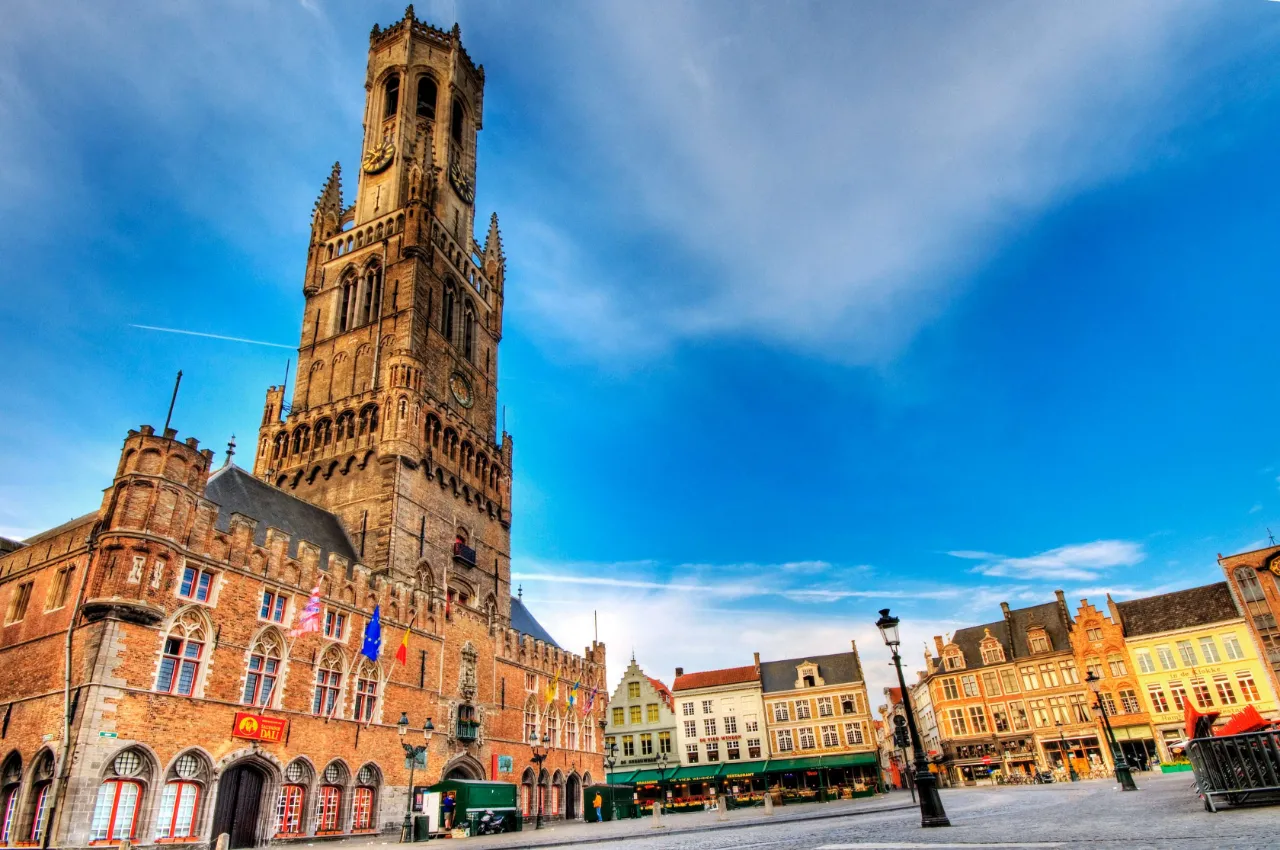
Carillons are usually installed in bell towers, where their sound carries across entire towns and university campuses, marking time, celebrating events, and providing concerts for local communities.
The traditional repertoire includes classical and liturgical pieces, but modern carillon music ranges from jazz to contemporary compositions, folk melodies to popular tunes – showcasing the instrument’s remarkable versatility.
This video is also available in other languages. Visit the WCF YouTube channel for more videos.
The instrument in numbers
23+
Minimum bells
The WCF standard requires at least 23 bells for an instrument to be recognised as a carillon.
16th C.
Century of origin
Born in the Low Countries, the carillon has been central to civic and religious life for five centuries.
6
Continents
Carillons ring today across Europe, North America, South America, Africa, Oceania and Asia.
Did you know?
The world’s largest carillon is at Riverside Church in New York City – it has 74 bells weighing over 100 tonnes in total.
Five centuries of history
From the Low Countries to the world
The carillon has a rich history dating back to the 16th and 17th centuries in the historic Low Countries – modern-day Belgium, the Netherlands and northern France. There it became central to civic and religious life, its sound shaping the daily rhythm of towns and cities.
Over the centuries the instrument spread far beyond its European homeland. Carried by Flemish and Dutch emigrants, it found a home in universities, cathedrals, and public parks across North America, South America, Oceania, Asia, and Africa.
Today, carillons continue to inspire new generations of carillonists, keeping alive a centuries-old tradition of musical expression.
A living art
The carillon, constantly evolving
Rooted in centuries of tradition, the carillon continues to evolve as a living art form. Contemporary composers write specifically for it, international festivals draw thousands of listeners, and educational programmes train the next generation of carillonists.
Festivals & Competitions
International competitions such as the Queen Fabiola Competition in Mechelen and the Côte d’Or Composition Competition in France keep the world of carillon composition thriving.
Contemporary Compositions
Composers worldwide are creating original works for the carillon, exploring new techniques, unusual harmonics, and innovative musical forms that push the instrument’s possibilities.
Training & Education
Dedicated training programmes and academies nurture new carillonists each year, welcoming students from every corner of the globe.
World heritage
The carillon, recognised by UNESCO
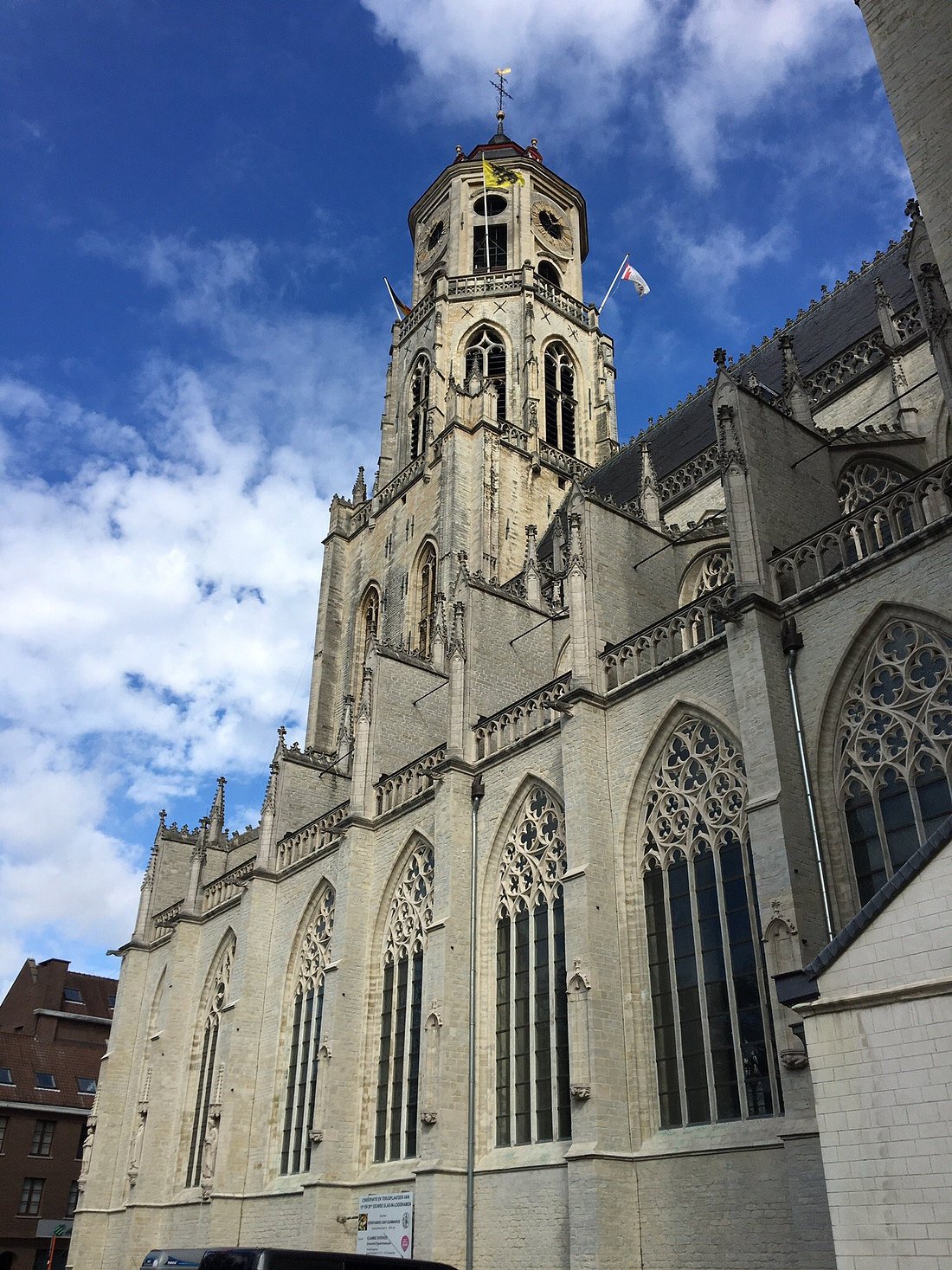
In 2014, Belgium became the first country to inscribe the culture of carillon on the UNESCO Representative List of the Intangible Cultural Heritage of Humanity. This international recognition highlights the carillon’s unique role in cultural identity and community life.
Other countries are currently following the same path. The inscription highlights not only the musical value of the instrument but also its social dimension: municipal carillonists play a vital role as a bridge between the tower and the community.
The Belgian Carillon Heritage Committee (BCHC) is the Belgian organisation behind the UNESCO candidacy and continues to promote carillon culture on an international scale.
And what about tower clocks?
Tower clocks represent another fascinating world of bells and mechanical music — monumental mechanisms that have marked our architectural heritage for centuries.
Want to go further?
Find a carillon near you, explore our member organisations, or attend a world congress.